Datáfono Nequi: cómo cobrar con tarjeta desde tu celular
El datáfono Nequi no es un equipo: es la app Nequi Negocios convirtiendo tu celular Android con NFC…
Leer artículo →20 de September de 2026

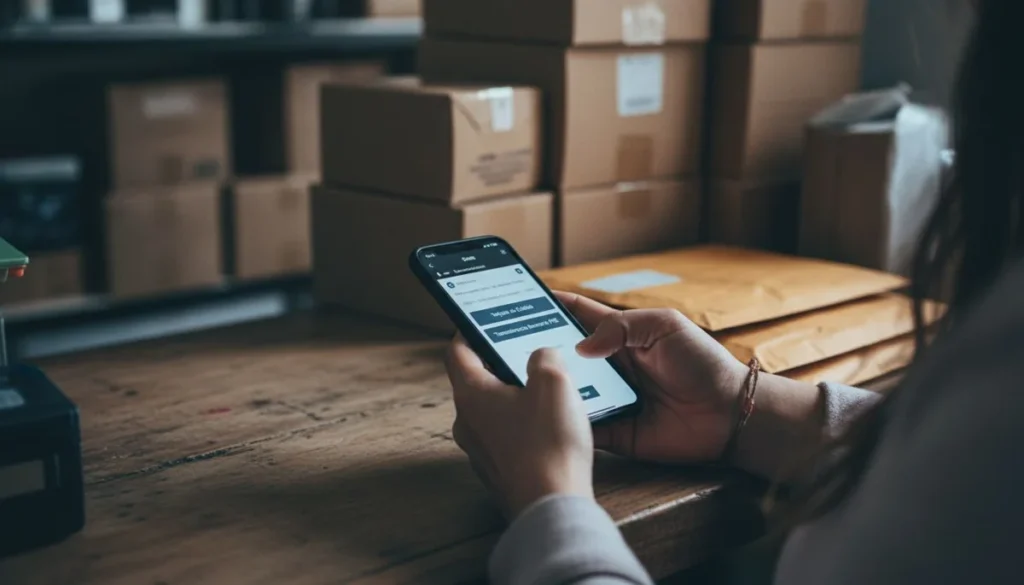
Una pasarela de pagos es el servicio que conecta tu tienda online con los bancos para que un cliente pague con tarjeta, PSE o billetera digital y la plata llegue a tu cuenta. Funciona como el cajero invisible de tu negocio: recibe el pago, verifica que sea real, lo asegura y te lo deposita, todo en segundos y sin que tengas que mover un dedo.
Si vendes por internet en Colombia, este es el componente que decide si una venta se cierra o se cae en el último clic. Un cliente puede amar tu producto, llenar el carrito y, si al momento de pagar no encuentra su método o la pantalla le da desconfianza, abandona. Te cuento cómo funcionan, cuáles rinden mejor acá, cuánto cobran y cómo elegir la tuya sin equivocarte.
Una pasarela de pagos es la tecnología que procesa los cobros de tu tienda online de forma segura. Cuando alguien le da a «pagar», la pasarela toma los datos de la tarjeta o el débito, los cifra para que nadie los robe, le pregunta al banco si hay fondos y confirma la compra. Tú solo ves la venta aprobada.
El proceso completo dura un par de segundos y pasa por varias manos sin que el cliente lo note: tu tienda, la pasarela, la red de la tarjeta y el banco. Por eso es más que un simple botón. Es la pieza que sostiene la confianza de toda la transacción y la que define que un comprador termine su pedido en lugar de irse.
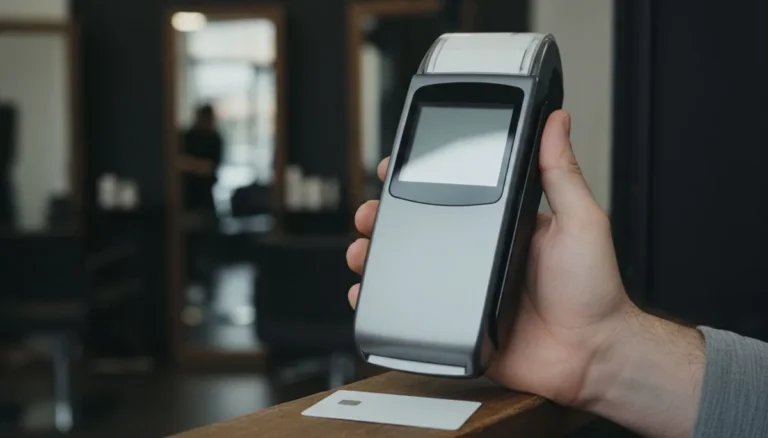
Acá mucha gente se enreda, y vale la pena aclararlo. Un datáfono cobra en persona, cuando el cliente está parado frente a ti con su tarjeta. Una pasarela cobra a distancia, dentro de tu sitio web, sin que las dos partes estén en el mismo lugar.
El botón de pago es un caso más sencillo: un enlace o un código que pegas en redes o en un mensaje para cobrar un monto puntual. Sirve para empezar, pero se queda corto cuando tienes un catálogo grande o quieres que la compra fluya dentro de tu propia página. Si vas en serio con tu tienda virtual, la pasarela integrada gana.
No hay una «mejor» universal, hay una mejor para tu caso. Estas son las que más usan los negocios colombianos, con su perfil ideal y una tarifa de referencia para que compares peras con peras.
| Pasarela | Ideal para | Comisión referencial 2026* | Incluye PSE |
|---|---|---|---|
| Wompi | Negocios que ya operan con Bancolombia | ~2,65% a 3% + fijo | Sí |
| PayU | Tiendas con catálogo amplio | ~2,99% + IVA | Sí |
| Mercado Pago | Quien vende en redes y marketplace | ~3% a 3,5% | Sí |
| ePayco | Pymes y emprendedores que arrancan | ~2,99% + fijo | Sí |
| Bold | Ventas mixtas, online y presencial | ~2,5% a 3% | Sí |
*Tarifas de referencia estimadas para 2026. Cada proveedor ajusta su comisión según tu volumen y tu plan; confirma siempre la tarifa vigente antes de decidir.
La mayoría cobra un porcentaje por cada venta más un valor fijo pequeño, y casi nunca cobran mensualidad por estar. En Colombia ese porcentaje suele moverse alrededor del 3 por ciento de la transacción, con diferencias según el método: una tarjeta de crédito cuesta más que un pago por PSE, porque la red de la tarjeta cobra su parte.
Mira más allá del número grande. Pregunta cada cuánto te depositan la plata, si retienen un porcentaje los primeros días y qué pasa con los contracargos. Una comisión baja con depósitos a quince días puede ahogarte el flujo de caja más que una un poco más alta que te paga en dos. Esa letra menuda es la que de verdad define el costo.
El error no es pagar una comisión, es elegir la pasarela solo por la comisión. El método que tu cliente prefiere vende más que el medio punto que te ahorras.
No se trata de la más barata ni de la más famosa, sino de la que encaja con tu negocio. Sigue este orden y vas a acertar:
Para el panorama completo de cómo cobrar y qué métodos ofrecer, te dejamos nuestra guía de medios de pago para tu negocio. Y si todavía estás armando el plan general para vender por internet, ahí cubrimos el embudo entero, desde la vitrina hasta el cobro.
Manejar pagos en línea es manejar plata ajena, y eso pide reglas claras. En Colombia, las entidades que procesan y custodian dinero del público operan bajo la vigilancia de la Superintendencia Financiera de Colombia, así que tu pasarela debería apoyarse en aliados financieros formales, no en intermediarios opacos.
El otro punto es el comportamiento del comprador colombiano. Según la Cámara Colombiana de Comercio Electrónico, las tarjetas y las transferencias por PSE concentran la mayoría de las compras online del país, así que ofrecer ambos métodos no es opcional. Si quieres dimensionar el tamaño del juego, reunimos las cifras en nuestras estadísticas de comercio electrónico.
Antes de firmar con la primera que veas, esquiva estas trampas que vemos seguido:
Te ayudamos a elegir la pasarela correcta, integrarla a tu tienda y dejar el pago listo en celular y computador, sin enredos técnicos.
Varias permiten registrarte como persona natural con tu cédula y RUT, sobre todo las pensadas para emprendedores. Otras piden cámara de comercio. Confirma el requisito con cada proveedor antes de empezar.
Las comisiones se parecen mucho, casi todas rondan el 3 por ciento. Más que buscar la más barata, compara el costo total con el tiempo de depósito y los métodos que incluye. Ahí está la diferencia real.
PSE funciona a través de un proveedor que lo integre, y las pasarelas ya lo traen incluido. Es el método de débito desde la cuenta bancaria que millones de colombianos prefieren, así que conviene ofrecerlo.
Tú no los guardas, la pasarela los cifra y los administra bajo estándares de seguridad de la industria. Esa es justo una de las razones para usar una en lugar de cobrar por fuera.
Depende del proveedor y del método. Algunas pagan en uno o dos días, otras retienen una parte los primeros giros como respaldo. Pregúntalo antes de firmar, porque afecta directo tu flujo de caja.
La pasarela de pagos es el corazón silencioso de tu tienda online: si funciona bien, ni se nota; si falla, te tumba ventas. En Colombia la jugada es clara, ofrece tarjetas y PSE, compara el costo total y no solo la comisión, y prueba el pago desde el celular antes de salir a vender. Elige la que encaje con tu cliente y tu plataforma, no la que tenga el logo más conocido. Con el cobro resuelto, te queda libre la cabeza para lo que de verdad importa, que es vender.
Cuéntanos tu proyecto y recibe una asesoría sin costo.
Usamos cookies propias y de terceros para mejorar tu experiencia y analizar el tráfico del sitio. Podés aceptarlas o rechazarlas. Más info en nuestra política de cookies.